


After 81-Year Wait, Residents of Dusun Rejo and Abadi in Tandem Hilir II Finally Enjoy Newly Paved Roads

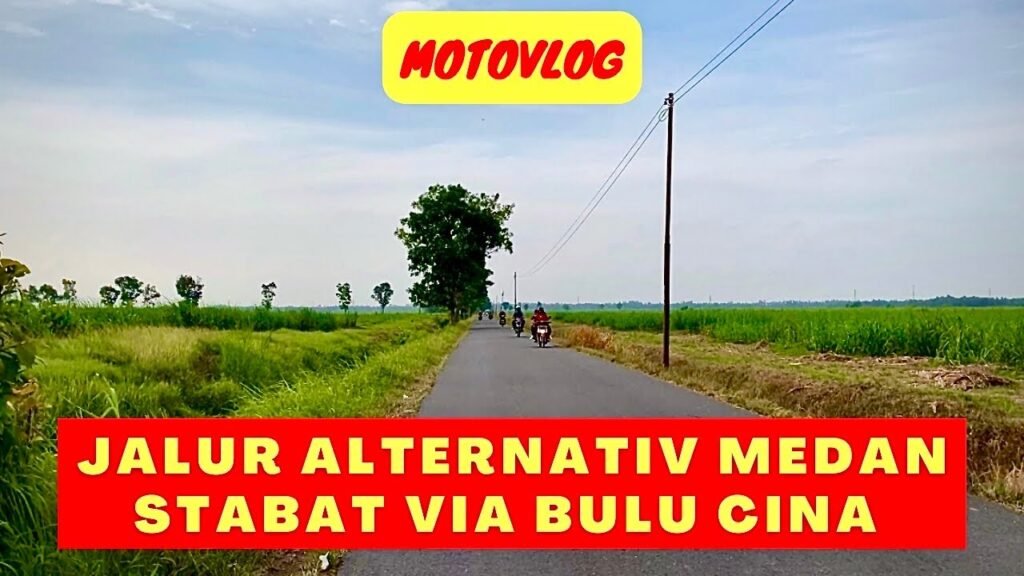
HAMPARAN PERAK – After waiting for 81 years, the long-cherished dream of residents in Dusun Rejo and Dusun Abadi, Tandem Hilir II Village, Hamparan Perak District, to enjoy proper asphalt roads has finally come true.
The road access, which was previously severely damaged and difficult to traverse—especially for farmers heading to their agricultural rice fields—is now smooth, safe, and comfortable for daily transportation.
The emotional moment of joy was expressed by local residents when the Regent of Deli Serdang, dr. H. Asri Ludin Tambunan, officially inaugurated the newly paved roads on Thursday (3/9/2026).
One of the residents, Siti, could not hide her happiness as she reflected on the decades-long transformation in her village.
“Ever since I was a little child, and now that I have children of my own, this is the very first time our road has been paved. Schoolchildren can now travel easily and safely,” Siti said during the inauguration.
A similar sentiment of relief was expressed by Ari Junaidi, a local resident who highlighted how the interconnected road network between Dusun Abadi and Dusun Benteng directly boosts agrarian productivity.
“We want to express our deepest gratitude for the road paving that connects our hamlets. This road used to be extremely difficult to pass, particularly for farmers going to the fields. Now we can truly feel the convenience and comfort when going to work,” Ari explained.
In addition to the road infrastructure project, the local community also voiced their appreciation for the river normalization initiative covering around 600 meters, which has successfully mitigated water stagnation in front of residents’ houses.
Sahnan, a resident of the area, noted that the river dredging project has made the water flow smoothly, and he expressed his hope that the local government will build proper drainage systems in the future.
Responding to the community’s aspirations, Regent Asri Ludin Tambunan pledged that the Deli Serdang Regional Government is fully committed to continuing infrastructure developments, including public drainage systems.
However, the Regent firmly reminded the community that maintaining public infrastructure is a collective responsibility between the government and local residents.
“No matter how big the infrastructure build is, if we do not guard and maintain it together, it won’t last long. This is not just my job, but our shared task,” stated Regent Asri Ludin Tambunan.
The Regent also praised the initiative taken by local residents who installed height and weight restrictor portals along several road sections to prevent overloaded heavy vehicles from damaging the asphalt layer.
“Reports indicate that since Indonesia’s independence—and even before that—this hamlet had never seen asphalt. Therefore, maintain this road as long as possible. If the roads we build can last, we can allocate development funds to other needy areas rather than repeatedly fixing the same spot,” he added.
During his working visit to Tandem Hilir II Village, the Regent of Deli Serdang also distributed social assistance from Baznas as well as wheelchairs to elderly and disabled residents in need.
Hamparan Perak District is one of the largest sub-districts in Deli Serdang Regency with extensive agricultural land. For decades, several remote hamlets faced severe connectivity issues due to unpaved dirt roads that turned into impassable mud tracks during heavy rainfall seasons. The completion of this 81-year-awaited paving project marks a significant milestone in bridging the rural-urban infrastructure gap within the region.
The newly constructed asphalt network significantly reduces transportation costs and transit times for regional agricultural yield, particularly paddy and fresh produce. By facilitating direct vehicle access to farming plots, local farmers can now transport fertilizers, heavy equipment, and harvested crops much more efficiently, thereby minimizing post-harvest losses and improving overall household income.
The local initiative to set up portal barriers reflects an increasing awareness of community-based infrastructure preservation. Overloaded trucks—often carrying construction materials or agricultural bulk—are a primary cause of rapid road degradation in rural North Sumatra. The collaboration between the Deli Serdang Public Works Department (Dinas SDABMBK) and village residents serves as a model for public-community partnerships in infrastructure longevity.