


Mind-Blowing Ocean Wonders: Is There Really an Underwater Waterfall Hiding in the Sea?

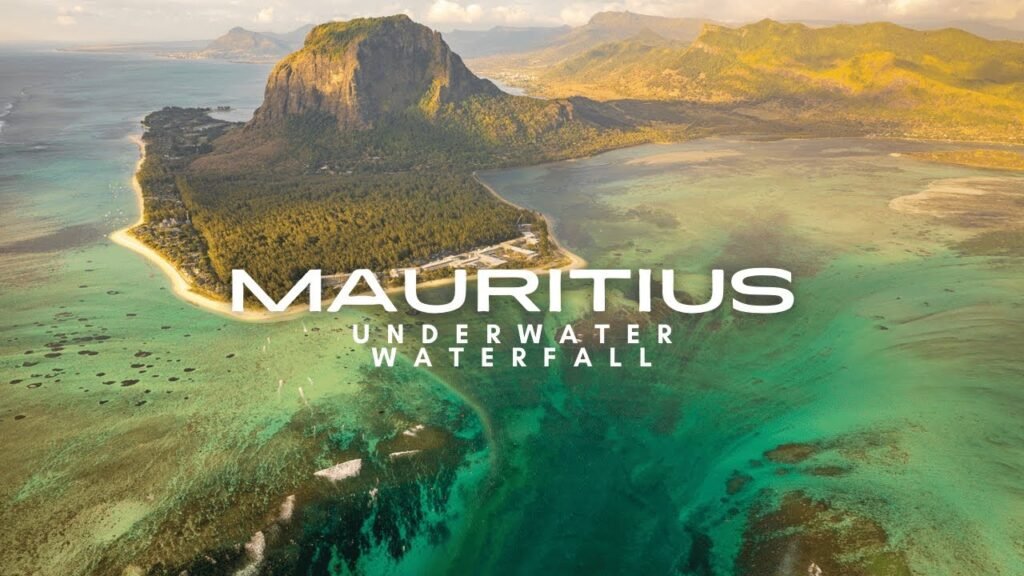
Imagine flying high above the turquoise waters of the Indian Ocean, looking down at a tropical paradise, and suddenly spotting something that seems physically impossible. Right off the coast of a sun-drenched island, thousands of gallons of ocean water appear to be plunging directly into a dark, bottomless abyss beneath the sea. It looks like a massive waterfall flowing underneath the ocean surface.
This jaw-dropping sight has taken social media by storm, sparking endless debate among travelers and nature enthusiasts around the world. Photos and drone footage of this phenomenon look like a scene straight out of a Hollywood sci-fi movie or an alien planet. But is there actually an active waterfall cascading underneath the ocean, or is our eyes playing a clever trick on us?
The short answer is both fascinating and surprising: yes, the phenomenon exists, but it is not a traditional waterfall made of falling water. Located off the southwestern tip of the stunning island nation of Mauritius, near the iconic Le Morne Brabant mountain, this dramatic spectacle is actually one of Mother Nature’s grandest optical illusions. Understanding how it works makes it even more magical to behold.
To understand why this magical illusion happens, we have to take a deep dive into the geological history of Mauritius itself. Mauritius is relatively young in geological terms, having been formed roughly eight million years ago by intense underwater volcanic activity. The entire island sits atop a raised submarine plateau known as an ocean shelf, which rises abruptly from the deep sea floor.
Surrounding this volcanic island shelf is a vast expanse of crystal-clear, shallow coral lagoons. The depth of the ocean water over this shallow plateau is relatively modest, allowing sunlight to penetrate easily and illuminate the golden sand below. However, just a few hundred meters away from the shoreline, the edge of this shallow underwater shelf drops off sharply into a dark oceanic trench that plunges thousands of meters deep.
This dramatic shift in elevation creates the ultimate stage for a mesmerizing physical reaction driven by ocean currents. Strong coastal tides and powerful waves constantly move along the shallow sandy shores of Mauritius. As these energetic currents push back and forth across the shelf, they pick up fine grains of sand and silt from the coastal lagoons and drag them toward the steep edge of the underwater cliff.
When the heavy sand reaches the drop-off point, gravity takes over and pulls the heavy sediments down into the dark abyss below. As millions of tiny sand particles cascade down the steep submarine canyon, they create a moving flow beneath the sea surface. From an aerial viewpoint, this continuous stream of sinking sand looks identical to a roaring underwater waterfall plummeting into the deep blue sea.
The breathtaking visual effect is further enhanced by the vibrant colors of the ocean water surrounding Mauritius. Near the shore, light reflects off the bright sand and shallow seabed, creating vibrant shades of turquoise, cyan, and bright emerald green. Further out past the cliff’s drop-off, the deep water turns into a rich, dark navy blue, creating a striking contrast that makes the illusion look completely three-dimensional.
While the famous Mauritius illusion is driven by moving sand, true underwater “waterfalls” actually do exist in the ocean through a completely different scientific mechanism. Oceanographers refer to these genuine underwater phenomena as “dense water cascades” or submarine density currents. These incredible deep-sea rivers occur when water masses of different temperatures and densities collide beneath the surface.
The most famous real underwater waterfall on Earth is located in the Denmark Strait, situated between Greenland and Iceland. In this frigid northern region, ice-cold, highly dense water from the Arctic Ocean flows southward and encounters warmer, less dense water from the Atlantic Ocean. Because cold water is significantly heavier and denser than warm water, the Arctic stream sinks rapidly below the warmer layer.
When this heavy, icy water reaches a massive underwater ridge on the sea floor, it plummets downward like a giant subterranean cataract. The Denmark Strait cataract drops an astounding 11,500 feet (3,500 meters) into the deep ocean basin below. To put that into perspective, this giant underwater plunge is more than three times taller than Angel Falls in Venezuela, the world’s tallest waterfall above ground!
Not only is the Denmark Strait underwater waterfall impossibly tall, but its volume of flowing water is also mind-bogglingly vast. It carries an estimated 123 million cubic feet of cold water per second, making its flow rate over 500 times greater than Niagara Falls. Yet despite its gigantic scale, this cold-water cataract remains completely invisible to the human eye from above because it happens far beneath the turbulent ocean surface.
That unique factor is what makes the sandy underwater waterfall of Mauritius so special to humanity. While it might technically be a visual illusion caused by sand rather than a cold water current, it is completely visible from above the sea. Anyone lucky enough to take a helicopter ride or fly a drone over Le Morne can witness this breathtaking natural masterpiece with their own eyes.
Scientists emphasize that the delicate natural balance that creates the Mauritius illusion relies heavily on healthy coastal marine ecosystems. Healthy coral reefs help protect the lagoon shorelines from eroding too quickly, while natural tide patterns keep the sand moving in a continuous cycle. Preserving these pristine coastal ecosystems ensures that future generations can continue to marvel at this famous marine wonder.
So, the next time you scroll past a photo of an underwater waterfall, you can appreciate the incredible science behind the picture. Whether it is moving sand creating a glorious optical illusion in sunny Mauritius or massive temperature currents plunging deep into the frozen Nordic seas, our oceans are packed with breathtaking mysteries waiting to be explored. Earth never ceases to surprise us!